Buy chatboy.eu ?
We are moving the project
chatboy.eu .
Are you interested in purchasing the domain
chatboy.eu ?
domain@kv-gmbh.de · 0541-91531010
Buy chatboy.eu ?
What exactly is ergonomics?
Ergonomics is the study of designing and arranging things people use so that the people and things interact most efficiently and safely. It focuses on creating products, systems, and environments that are comfortable, efficient, and user-friendly. By considering the capabilities and limitations of people in relation to their work and surroundings, ergonomics aims to optimize human well-being and overall system performance. **
What is ergonomics in printers?
Ergonomics in printers refers to the design and arrangement of printers to optimize user comfort, efficiency, and safety. This includes factors such as the placement of controls, ease of paper loading, and accessibility of maintenance areas. By considering ergonomics in printer design, manufacturers aim to reduce user fatigue, minimize the risk of injury, and enhance overall user experience. **

Similar search terms for Ergonomics
Top-Angebote
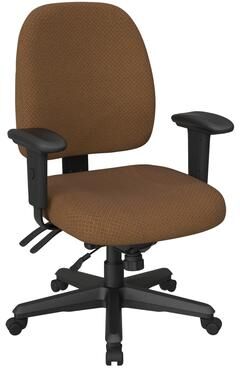
Products related to Ergonomics:




-
What game ideas are there for the topics of ergonomics, spatial planning, and furniture?
For the topic of ergonomics, a game idea could be a simulation game where players design and arrange a virtual workspace to maximize comfort and efficiency, while considering ergonomic principles such as proper posture and equipment placement. For spatial planning, a game could involve designing and organizing a virtual living space, such as a room or house, to optimize functionality and aesthetics within a given budget or space constraints. As for furniture, a game idea could be a virtual interior design challenge where players select and arrange furniture pieces to create stylish and functional room layouts, while considering factors such as scale, proportion, and traffic flow. **
-
How can social communication and interaction be described?
Social communication and interaction can be described as the exchange of information, ideas, and emotions between individuals through verbal and non-verbal means. It involves the use of language, gestures, facial expressions, and body language to convey messages and establish connections with others. Social communication and interaction play a crucial role in building relationships, fostering understanding, and creating a sense of belonging within a community. It is a dynamic process that involves active listening, empathy, and the ability to adapt to different social contexts and cultural norms. **
-
What is the difference between social communication and social interaction?
Social communication refers to the exchange of information through verbal and nonverbal means, such as speaking, gestures, and facial expressions, to convey thoughts, feelings, and ideas. On the other hand, social interaction involves the broader concept of engaging with others in a social setting, including activities such as playing, sharing, and collaborating. While social communication focuses on the exchange of messages, social interaction encompasses the overall dynamic of how individuals engage with one another in social contexts. **
-
What is the difference between interaction and communication in social work?
Interaction in social work refers to the exchange of information, ideas, and emotions between the social worker and the client. It involves non-verbal cues, body language, and other forms of expression. Communication, on the other hand, is a broader concept that encompasses interaction but also includes the process of sharing and understanding information, thoughts, and feelings through verbal and non-verbal means. While interaction is a part of communication, communication involves a more intentional and purposeful exchange of information and understanding between the social worker and the client. **

What is the difference between a conversation and communication?
A conversation is a two-way exchange of ideas, thoughts, and information between two or more people, typically in a verbal form. Communication, on the other hand, is a broader term that encompasses various methods of conveying information, such as verbal, non-verbal, written, or visual. While a conversation is a specific type of communication that involves a back-and-forth dialogue, communication can also occur through gestures, body language, written messages, or visual cues. **
Do you like to look into your conversation partner's eyes during interaction?
As an AI, I don't have the ability to physically look into someone's eyes. However, maintaining eye contact during a conversation is often seen as a sign of active listening and engagement. It can help to convey interest and understanding, and can also help to build rapport and trust with the person you are speaking with. However, it's important to be mindful of cultural differences and individual preferences when it comes to eye contact, as some people may feel uncomfortable with prolonged eye contact. **
Top-Angebote
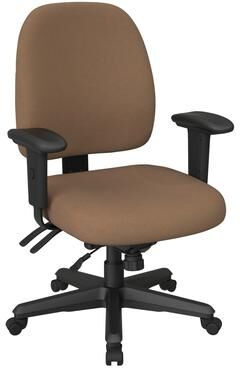
Products related to Ergonomics:
-
What exactly is ergonomics?
Ergonomics is the study of designing and arranging things people use so that the people and things interact most efficiently and safely. It focuses on creating products, systems, and environments that are comfortable, efficient, and user-friendly. By considering the capabilities and limitations of people in relation to their work and surroundings, ergonomics aims to optimize human well-being and overall system performance. **
-
What is ergonomics in printers?
Ergonomics in printers refers to the design and arrangement of printers to optimize user comfort, efficiency, and safety. This includes factors such as the placement of controls, ease of paper loading, and accessibility of maintenance areas. By considering ergonomics in printer design, manufacturers aim to reduce user fatigue, minimize the risk of injury, and enhance overall user experience. **
-
What game ideas are there for the topics of ergonomics, spatial planning, and furniture?
For the topic of ergonomics, a game idea could be a simulation game where players design and arrange a virtual workspace to maximize comfort and efficiency, while considering ergonomic principles such as proper posture and equipment placement. For spatial planning, a game could involve designing and organizing a virtual living space, such as a room or house, to optimize functionality and aesthetics within a given budget or space constraints. As for furniture, a game idea could be a virtual interior design challenge where players select and arrange furniture pieces to create stylish and functional room layouts, while considering factors such as scale, proportion, and traffic flow. **
-
How can social communication and interaction be described?
Social communication and interaction can be described as the exchange of information, ideas, and emotions between individuals through verbal and non-verbal means. It involves the use of language, gestures, facial expressions, and body language to convey messages and establish connections with others. Social communication and interaction play a crucial role in building relationships, fostering understanding, and creating a sense of belonging within a community. It is a dynamic process that involves active listening, empathy, and the ability to adapt to different social contexts and cultural norms. **
Similar search terms for Ergonomics
-
What is the difference between social communication and social interaction?
Social communication refers to the exchange of information through verbal and nonverbal means, such as speaking, gestures, and facial expressions, to convey thoughts, feelings, and ideas. On the other hand, social interaction involves the broader concept of engaging with others in a social setting, including activities such as playing, sharing, and collaborating. While social communication focuses on the exchange of messages, social interaction encompasses the overall dynamic of how individuals engage with one another in social contexts. **
-
What is the difference between interaction and communication in social work?
Interaction in social work refers to the exchange of information, ideas, and emotions between the social worker and the client. It involves non-verbal cues, body language, and other forms of expression. Communication, on the other hand, is a broader concept that encompasses interaction but also includes the process of sharing and understanding information, thoughts, and feelings through verbal and non-verbal means. While interaction is a part of communication, communication involves a more intentional and purposeful exchange of information and understanding between the social worker and the client. **
-
What is the difference between a conversation and communication?
A conversation is a two-way exchange of ideas, thoughts, and information between two or more people, typically in a verbal form. Communication, on the other hand, is a broader term that encompasses various methods of conveying information, such as verbal, non-verbal, written, or visual. While a conversation is a specific type of communication that involves a back-and-forth dialogue, communication can also occur through gestures, body language, written messages, or visual cues. **
-
Do you like to look into your conversation partner's eyes during interaction?
As an AI, I don't have the ability to physically look into someone's eyes. However, maintaining eye contact during a conversation is often seen as a sign of active listening and engagement. It can help to convey interest and understanding, and can also help to build rapport and trust with the person you are speaking with. However, it's important to be mindful of cultural differences and individual preferences when it comes to eye contact, as some people may feel uncomfortable with prolonged eye contact. **
* All prices are inclusive of VAT and, if applicable, plus shipping costs. The offer information is based on the details provided by the respective shop and is updated through automated processes. Real-time updates do not occur, so deviations can occur in individual cases. ** Note: Parts of this content were created by AI.