Buy chatboy.eu ?
We are moving the project
chatboy.eu .
Are you interested in purchasing the domain
chatboy.eu ?
domain@kv-gmbh.de · 0541-91531010
Buy chatboy.eu ?
Can stackable stones promote cognition?
Stackable stones can potentially promote cognition by engaging the brain in problem-solving tasks, improving spatial awareness, and enhancing hand-eye coordination. The act of stacking stones requires focus, concentration, and planning, which can help stimulate cognitive functions. Additionally, the tactile experience of handling the stones can provide sensory feedback that may benefit cognitive development. Overall, incorporating stackable stones into activities or games can be a fun and beneficial way to support cognitive skills. **
Can stepping stones promote cognition?
Yes, stepping stones can promote cognition by engaging both the body and mind. When individuals navigate through stepping stones, they are required to plan their movements, make decisions, and coordinate their actions, which can help improve cognitive functions such as problem-solving, spatial awareness, and memory. Additionally, stepping stones can provide sensory stimulation and feedback, further enhancing cognitive development. Overall, incorporating stepping stones into activities or environments can be a fun and effective way to promote cognitive skills. **


Similar search terms for Cognition
Top-Angebote
Products related to Cognition:
-
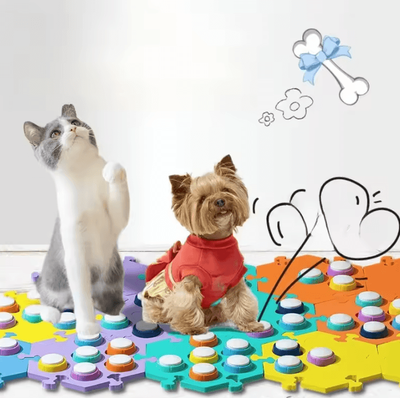
Inspire Curations TalkPaws Dog Communication Buttons For Pet Training & Interaction only Buttons 9 PiecesStrengthen the bond with your pet through a fun and engaging way to communicate. These recordable dog communication buttons allow dogs and cats to associate words, actions, and needs with simple button presses, helping create interactive training...143,00 $*Shipping: 0,00 $Secure redirect to the provider
-
Uplift Picks Montessori Bell Learning Toy DIY Cognition Training Game For Kids vacuum CleanerSpark curiosity and hands on discovery with this engaging Montessori bell learning toy designed to make learning playful and interactive. This fun educational cognition training game encourages children to match, identify, and respond to sound and...52,48 $*Shipping: 0,00 $Secure redirect to the provider
-
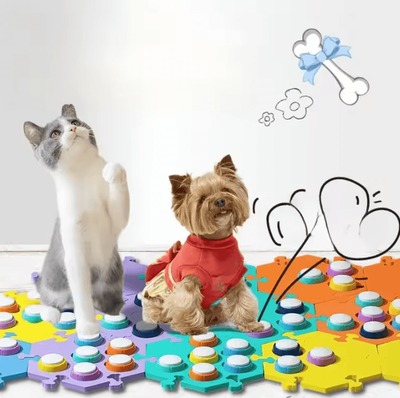
Inspire Curations TalkPaws Dog Communication Buttons For Pet Training & Interaction with Mats 5 PiecesStrengthen the bond with your pet through a fun and engaging way to communicate. These recordable dog communication buttons allow dogs and cats to associate words, actions, and needs with simple button presses, helping create interactive training...140,50 $*Shipping: 0,00 $Secure redirect to the provider
-
Inspire Curations TalkPaws Dog Communication Buttons For Pet Training & Interaction only Buttons 5 PiecesStrengthen the bond with your pet through a fun and engaging way to communicate. These recordable dog communication buttons allow dogs and cats to associate words, actions, and needs with simple button presses, helping create interactive training...130,00 $*Shipping: 0,00 $Secure redirect to the provider



-
'By which impulses is cognition promoted in kindergarten?'
Cognition is promoted in kindergarten through various impulses such as sensory experiences, hands-on activities, and social interactions. Sensory experiences, such as exploring different textures and materials, help children develop their cognitive abilities by engaging their senses and making connections between their experiences and the world around them. Hands-on activities, such as puzzles, building blocks, and art projects, encourage children to use their problem-solving skills and think critically. Social interactions with peers and teachers also promote cognition by providing opportunities for children to communicate, collaborate, and learn from each other. Overall, these impulses help to stimulate children's cognitive development and lay the foundation for future learning. **
-
What is Immanuel Kant's theory on human cognition?
Immanuel Kant's theory on human cognition is based on the idea that our knowledge of the world is not solely derived from sensory experience, but is also shaped by the mind's innate structures and categories. He argued that the mind actively organizes and interprets sensory input through concepts such as space, time, and causality. Kant believed that these innate structures, which he called "a priori" categories, are necessary for us to make sense of the world and form coherent knowledge. This theory of cognition is central to Kant's philosophy and has had a significant influence on the development of modern psychology and cognitive science. **
-
How can social communication and interaction be described?
Social communication and interaction can be described as the exchange of information, ideas, and emotions between individuals through verbal and non-verbal means. It involves the use of language, gestures, facial expressions, and body language to convey messages and establish connections with others. Social communication and interaction play a crucial role in building relationships, fostering understanding, and creating a sense of belonging within a community. It is a dynamic process that involves active listening, empathy, and the ability to adapt to different social contexts and cultural norms. **
-
What is the difference between social communication and social interaction?
Social communication refers to the exchange of information through verbal and nonverbal means, such as speaking, gestures, and facial expressions, to convey thoughts, feelings, and ideas. On the other hand, social interaction involves the broader concept of engaging with others in a social setting, including activities such as playing, sharing, and collaborating. While social communication focuses on the exchange of messages, social interaction encompasses the overall dynamic of how individuals engage with one another in social contexts. **

What is the difference between interaction and communication in social work?
Interaction in social work refers to the exchange of information, ideas, and emotions between the social worker and the client. It involves non-verbal cues, body language, and other forms of expression. Communication, on the other hand, is a broader concept that encompasses interaction but also includes the process of sharing and understanding information, thoughts, and feelings through verbal and non-verbal means. While interaction is a part of communication, communication involves a more intentional and purposeful exchange of information and understanding between the social worker and the client. **
What is the difference between a conversation and communication?
A conversation is a two-way exchange of ideas, thoughts, and information between two or more people, typically in a verbal form. Communication, on the other hand, is a broader term that encompasses various methods of conveying information, such as verbal, non-verbal, written, or visual. While a conversation is a specific type of communication that involves a back-and-forth dialogue, communication can also occur through gestures, body language, written messages, or visual cues. **
Top-Angebote
Products related to Cognition:
-
Tiny Tots Teens Trends Montessori Educational Toy, Wooden Color Cups, Sorting Cognition Game For Early Learning Montessori Educational Toy, Wooden Color Cups, Sorting Cognition Game For Early LearningIntroduce your child to the world of learning with the Montessori Wooden Toy Color Cups. Designed to enhance early cognitive development, this engaging matching sorting cognition game training toy provides hours of educational fun. Perfect for young...59,97 $*Shipping: 0,00 $Secure redirect to the provider
-
Uplift Picks Montessori Bell Learning Toy DIY Cognition Training Game For Kids bubble PotSpark curiosity and hands on discovery with this engaging Montessori bell learning toy designed to make learning playful and interactive. This fun educational cognition training game encourages children to match, identify, and respond to sound and...59,48 $*Shipping: 0,00 $Secure redirect to the provider
-
Inspire Curations TalkPaws Dog Communication Buttons For Pet Training & Interaction only Buttons 9 PiecesStrengthen the bond with your pet through a fun and engaging way to communicate. These recordable dog communication buttons allow dogs and cats to associate words, actions, and needs with simple button presses, helping create interactive training...143,00 $*Shipping: 0,00 $Secure redirect to the provider
-
Uplift Picks Montessori Bell Learning Toy DIY Cognition Training Game For Kids vacuum CleanerSpark curiosity and hands on discovery with this engaging Montessori bell learning toy designed to make learning playful and interactive. This fun educational cognition training game encourages children to match, identify, and respond to sound and...52,48 $*Shipping: 0,00 $Secure redirect to the provider
-
Can stackable stones promote cognition?
Stackable stones can potentially promote cognition by engaging the brain in problem-solving tasks, improving spatial awareness, and enhancing hand-eye coordination. The act of stacking stones requires focus, concentration, and planning, which can help stimulate cognitive functions. Additionally, the tactile experience of handling the stones can provide sensory feedback that may benefit cognitive development. Overall, incorporating stackable stones into activities or games can be a fun and beneficial way to support cognitive skills. **
-
Can stepping stones promote cognition?
Yes, stepping stones can promote cognition by engaging both the body and mind. When individuals navigate through stepping stones, they are required to plan their movements, make decisions, and coordinate their actions, which can help improve cognitive functions such as problem-solving, spatial awareness, and memory. Additionally, stepping stones can provide sensory stimulation and feedback, further enhancing cognitive development. Overall, incorporating stepping stones into activities or environments can be a fun and effective way to promote cognitive skills. **
-
'By which impulses is cognition promoted in kindergarten?'
Cognition is promoted in kindergarten through various impulses such as sensory experiences, hands-on activities, and social interactions. Sensory experiences, such as exploring different textures and materials, help children develop their cognitive abilities by engaging their senses and making connections between their experiences and the world around them. Hands-on activities, such as puzzles, building blocks, and art projects, encourage children to use their problem-solving skills and think critically. Social interactions with peers and teachers also promote cognition by providing opportunities for children to communicate, collaborate, and learn from each other. Overall, these impulses help to stimulate children's cognitive development and lay the foundation for future learning. **
-
What is Immanuel Kant's theory on human cognition?
Immanuel Kant's theory on human cognition is based on the idea that our knowledge of the world is not solely derived from sensory experience, but is also shaped by the mind's innate structures and categories. He argued that the mind actively organizes and interprets sensory input through concepts such as space, time, and causality. Kant believed that these innate structures, which he called "a priori" categories, are necessary for us to make sense of the world and form coherent knowledge. This theory of cognition is central to Kant's philosophy and has had a significant influence on the development of modern psychology and cognitive science. **
Similar search terms for Cognition
-
Inspire Curations TalkPaws Dog Communication Buttons For Pet Training & Interaction with Mats 5 PiecesStrengthen the bond with your pet through a fun and engaging way to communicate. These recordable dog communication buttons allow dogs and cats to associate words, actions, and needs with simple button presses, helping create interactive training...140,50 $*Shipping: 0,00 $Secure redirect to the provider
-
Inspire Curations TalkPaws Dog Communication Buttons For Pet Training & Interaction only Buttons 5 PiecesStrengthen the bond with your pet through a fun and engaging way to communicate. These recordable dog communication buttons allow dogs and cats to associate words, actions, and needs with simple button presses, helping create interactive training...130,00 $*Shipping: 0,00 $Secure redirect to the provider
-
Inspire Curations TalkPaws Dog Communication Buttons For Pet Training & Interaction with Mats 6 PiecesStrengthen the bond with your pet through a fun and engaging way to communicate. These recordable dog communication buttons allow dogs and cats to associate words, actions, and needs with simple button presses, helping create interactive training...145,50 $*Shipping: 0,00 $Secure redirect to the provider
-
Inspire Curations TalkPaws Dog Communication Buttons For Pet Training & Interaction only Buttons 6 PiecesStrengthen the bond with your pet through a fun and engaging way to communicate. These recordable dog communication buttons allow dogs and cats to associate words, actions, and needs with simple button presses, helping create interactive training...135,00 $*Shipping: 0,00 $Secure redirect to the provider
-
How can social communication and interaction be described?
Social communication and interaction can be described as the exchange of information, ideas, and emotions between individuals through verbal and non-verbal means. It involves the use of language, gestures, facial expressions, and body language to convey messages and establish connections with others. Social communication and interaction play a crucial role in building relationships, fostering understanding, and creating a sense of belonging within a community. It is a dynamic process that involves active listening, empathy, and the ability to adapt to different social contexts and cultural norms. **
-
What is the difference between social communication and social interaction?
Social communication refers to the exchange of information through verbal and nonverbal means, such as speaking, gestures, and facial expressions, to convey thoughts, feelings, and ideas. On the other hand, social interaction involves the broader concept of engaging with others in a social setting, including activities such as playing, sharing, and collaborating. While social communication focuses on the exchange of messages, social interaction encompasses the overall dynamic of how individuals engage with one another in social contexts. **
-
What is the difference between interaction and communication in social work?
Interaction in social work refers to the exchange of information, ideas, and emotions between the social worker and the client. It involves non-verbal cues, body language, and other forms of expression. Communication, on the other hand, is a broader concept that encompasses interaction but also includes the process of sharing and understanding information, thoughts, and feelings through verbal and non-verbal means. While interaction is a part of communication, communication involves a more intentional and purposeful exchange of information and understanding between the social worker and the client. **
-
What is the difference between a conversation and communication?
A conversation is a two-way exchange of ideas, thoughts, and information between two or more people, typically in a verbal form. Communication, on the other hand, is a broader term that encompasses various methods of conveying information, such as verbal, non-verbal, written, or visual. While a conversation is a specific type of communication that involves a back-and-forth dialogue, communication can also occur through gestures, body language, written messages, or visual cues. **
* All prices are inclusive of VAT and, if applicable, plus shipping costs. The offer information is based on the details provided by the respective shop and is updated through automated processes. Real-time updates do not occur, so deviations can occur in individual cases. ** Note: Parts of this content were created by AI.