Buy chatboy.eu ?
We are moving the project
chatboy.eu .
Are you interested in purchasing the domain
chatboy.eu ?
domain@kv-gmbh.de · 0541-91531010
Buy chatboy.eu ?
Was the Korean War a proxy war or a civil war?
The Korean War was a proxy war, as it was fought between the communist-backed North Korea and the capitalist-backed South Korea, with support and involvement from other major powers such as the United States, China, and the Soviet Union. The conflict was not solely an internal struggle within Korea, but rather a larger geopolitical struggle between the two opposing ideologies of communism and capitalism. The involvement of outside powers and the global implications of the war make it more accurately described as a proxy war rather than a civil war. **
How can social communication and interaction be described?
Social communication and interaction can be described as the exchange of information, ideas, and emotions between individuals through verbal and non-verbal means. It involves the use of language, gestures, facial expressions, and body language to convey messages and establish connections with others. Social communication and interaction play a crucial role in building relationships, fostering understanding, and creating a sense of belonging within a community. It is a dynamic process that involves active listening, empathy, and the ability to adapt to different social contexts and cultural norms. **

Similar search terms for War
Top-Angebote
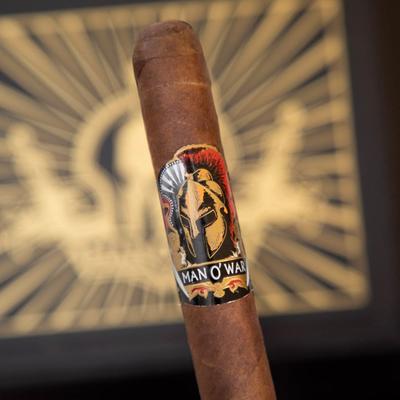
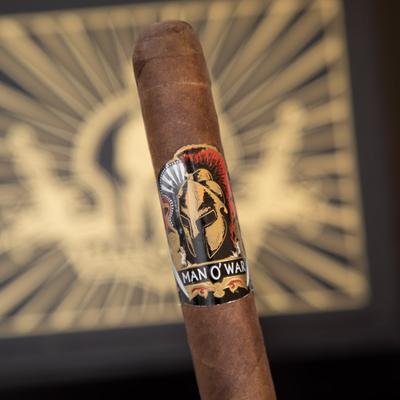
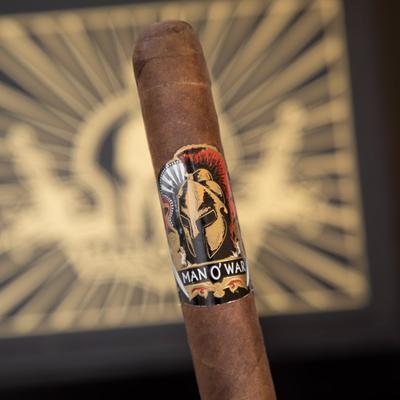
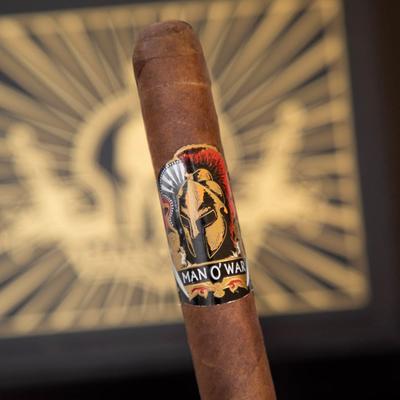
Products related to War:
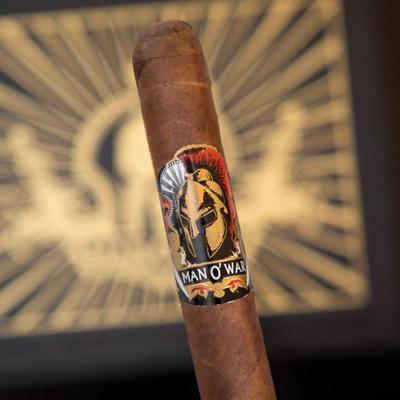
-
Which communication tools were used by the USA in the Second World War?
During the Second World War, the USA used a variety of communication tools to coordinate military operations and disseminate information. These tools included radio communication, telegraphs, telephones, and carrier pigeons. Radio communication was particularly important for coordinating troops and relaying important messages, while telegraphs and telephones were used for long-distance communication. Carrier pigeons were also used to deliver messages in areas where traditional communication methods were not feasible. Overall, a combination of these communication tools helped the USA effectively communicate and coordinate their military efforts during the war. **
-
Is the First World War a modern war?
Yes, the First World War is considered a modern war due to the use of advanced technology and tactics that were unprecedented at the time. The war saw the introduction of new weapons such as tanks, airplanes, and chemical warfare, which changed the nature of warfare. Additionally, the scale of the conflict involving multiple countries and resulting in millions of casualties marked a departure from previous wars in terms of its global impact and devastation. Overall, the First World War is seen as a turning point in military history towards modern warfare. **
-
What is the motto of Wallenstein: "War feeds war" in the Thirty Years' War?
The motto "War feeds war" reflects the strategy of Wallenstein, a prominent military leader in the Thirty Years' War. It suggests that the continuation of war is necessary for its sustenance, as it provides resources, power, and opportunities for those involved in the conflict. This motto encapsulates the idea that war perpetuates itself, creating a cycle of violence and destruction. Wallenstein's approach to warfare was characterized by aggressive tactics and a focus on maintaining and expanding his military influence, making this motto a fitting representation of his approach to the conflict. **
-
Did the economic miracle lead to a lack of engagement with the Second World War?
The economic miracle in post-World War II Germany did not lead to a lack of engagement with the Second World War. In fact, the economic miracle was fueled in part by the country's efforts to come to terms with its wartime past and rebuild its economy. The memory of the war and its consequences remained a significant part of German society and culture, influencing policies and attitudes for decades to come. Additionally, the economic success of the post-war period was seen as a way to move past the devastation of the war and build a brighter future for the country. **
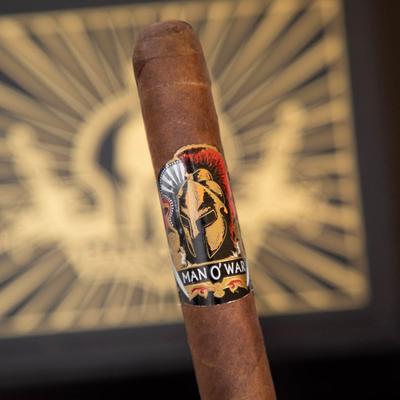
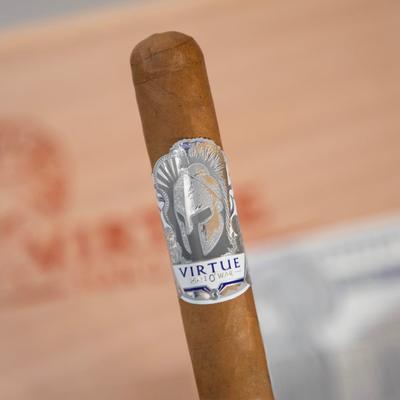
How did the Second World War turn from a European war into a world war?
The Second World War turned from a European war into a world war primarily due to the expansionist policies of Nazi Germany and Japan. Germany's invasion of Poland in 1939 prompted Britain and France to declare war, drawing in their colonies and allies from around the world. Japan's aggressive actions in Asia, such as the invasion of China and the attack on Pearl Harbor in 1941, further escalated the conflict by involving countries in the Pacific and Southeast Asia. The alliances formed between the Axis powers and the Allied powers also contributed to the global nature of the war, as countries from different regions joined the fight on either side. **
Which war was worse: Syria or the Yugoslav War?
It is difficult to compare the two wars as both had devastating consequences and resulted in immense loss of life and destruction. The Syrian War, which began in 2011, has led to a prolonged conflict with widespread displacement of civilians and the involvement of multiple international actors. The Yugoslav War, which took place in the 1990s, resulted in the breakup of a country and numerous atrocities committed by different ethnic groups. Both wars have had long-lasting impacts on the respective regions and populations involved. **
Top-Angebote
Products related to War:
-
Was the Korean War a proxy war or a civil war?
The Korean War was a proxy war, as it was fought between the communist-backed North Korea and the capitalist-backed South Korea, with support and involvement from other major powers such as the United States, China, and the Soviet Union. The conflict was not solely an internal struggle within Korea, but rather a larger geopolitical struggle between the two opposing ideologies of communism and capitalism. The involvement of outside powers and the global implications of the war make it more accurately described as a proxy war rather than a civil war. **
-
How can social communication and interaction be described?
Social communication and interaction can be described as the exchange of information, ideas, and emotions between individuals through verbal and non-verbal means. It involves the use of language, gestures, facial expressions, and body language to convey messages and establish connections with others. Social communication and interaction play a crucial role in building relationships, fostering understanding, and creating a sense of belonging within a community. It is a dynamic process that involves active listening, empathy, and the ability to adapt to different social contexts and cultural norms. **
-
Which communication tools were used by the USA in the Second World War?
During the Second World War, the USA used a variety of communication tools to coordinate military operations and disseminate information. These tools included radio communication, telegraphs, telephones, and carrier pigeons. Radio communication was particularly important for coordinating troops and relaying important messages, while telegraphs and telephones were used for long-distance communication. Carrier pigeons were also used to deliver messages in areas where traditional communication methods were not feasible. Overall, a combination of these communication tools helped the USA effectively communicate and coordinate their military efforts during the war. **
-
Is the First World War a modern war?
Yes, the First World War is considered a modern war due to the use of advanced technology and tactics that were unprecedented at the time. The war saw the introduction of new weapons such as tanks, airplanes, and chemical warfare, which changed the nature of warfare. Additionally, the scale of the conflict involving multiple countries and resulting in millions of casualties marked a departure from previous wars in terms of its global impact and devastation. Overall, the First World War is seen as a turning point in military history towards modern warfare. **
Similar search terms for War
-
What is the motto of Wallenstein: "War feeds war" in the Thirty Years' War?
The motto "War feeds war" reflects the strategy of Wallenstein, a prominent military leader in the Thirty Years' War. It suggests that the continuation of war is necessary for its sustenance, as it provides resources, power, and opportunities for those involved in the conflict. This motto encapsulates the idea that war perpetuates itself, creating a cycle of violence and destruction. Wallenstein's approach to warfare was characterized by aggressive tactics and a focus on maintaining and expanding his military influence, making this motto a fitting representation of his approach to the conflict. **
-
Did the economic miracle lead to a lack of engagement with the Second World War?
The economic miracle in post-World War II Germany did not lead to a lack of engagement with the Second World War. In fact, the economic miracle was fueled in part by the country's efforts to come to terms with its wartime past and rebuild its economy. The memory of the war and its consequences remained a significant part of German society and culture, influencing policies and attitudes for decades to come. Additionally, the economic success of the post-war period was seen as a way to move past the devastation of the war and build a brighter future for the country. **
-
How did the Second World War turn from a European war into a world war?
The Second World War turned from a European war into a world war primarily due to the expansionist policies of Nazi Germany and Japan. Germany's invasion of Poland in 1939 prompted Britain and France to declare war, drawing in their colonies and allies from around the world. Japan's aggressive actions in Asia, such as the invasion of China and the attack on Pearl Harbor in 1941, further escalated the conflict by involving countries in the Pacific and Southeast Asia. The alliances formed between the Axis powers and the Allied powers also contributed to the global nature of the war, as countries from different regions joined the fight on either side. **
-
Which war was worse: Syria or the Yugoslav War?
It is difficult to compare the two wars as both had devastating consequences and resulted in immense loss of life and destruction. The Syrian War, which began in 2011, has led to a prolonged conflict with widespread displacement of civilians and the involvement of multiple international actors. The Yugoslav War, which took place in the 1990s, resulted in the breakup of a country and numerous atrocities committed by different ethnic groups. Both wars have had long-lasting impacts on the respective regions and populations involved. **
* All prices are inclusive of VAT and, if applicable, plus shipping costs. The offer information is based on the details provided by the respective shop and is updated through automated processes. Real-time updates do not occur, so deviations can occur in individual cases. ** Note: Parts of this content were created by AI.